As a parent, you want your child to do well in school, but good grades are only one part of their growth. You also want them to speak with confidence, make friends, handle setbacks, and discover what they enjoy doing. When choosing a school board, it’s worth asking whether the curriculum will help your child develop these skills alongside academic knowledge.
CBSE education gives children opportunities to learn through practical activities, group projects, sports, and classroom discussions, along with regular academic lessons. This helps them connect what they learn in class with real-life situations while building skills they’ll use as they grow. Let’s explore how CBSE education supports your child’s holistic development and prepares them for life beyond the classroom.
What Is Holistic Child Development?
Holistic child development means helping your child grow in different areas of life, not just academics. It includes intellectual, emotional, social, physical, and creative growth, along with values such as honesty, kindness, and responsibility.
For example, solving a challenging task can help your child think critically, while playing a team sport teaches cooperation and fair play. These experiences help children understand themselves, interact with others, and handle everyday situations.
Schools support this development by creating opportunities for children to learn, practise new skills, and apply their knowledge in different settings.
How Does CBSE Education Support Holistic Child Development?
CBSE education supports children’s growth through academic learning, practical activities, sports, creative work, and life skills. Here’s how these areas can help your child develop skills for school and everyday life.
1. Builds Academic Knowledge and Critical Thinking
CBSE encourages children to understand concepts rather than simply memorise facts. For example, dividing objects into equal parts helps your child understand fractions, while science experiments encourage observation and questioning.
This approach helps your child apply knowledge, explain ideas, and solve problems independently. Look for a
school where teachers encourage questions and connect lessons to real-life situations.
2. Makes Learning Practical and Engaging
CBSE promotes experiential learning through projects, experiments, demonstrations, and group assignments. A waste-segregation project, for instance, can help your child understand environmental issues through practical experience.
These activities encourage children to test ideas, learn from mistakes, and find solutions. They also help your child connect classroom lessons with the world around them.
3. Develops Emotional Intelligence and Confidence
Presentations, classroom discussions, and school activities give your child opportunities to express ideas and manage nervousness. With practice and teacher support, a child who feels shy about speaking in class can gradually become more confident.
Constructive feedback also teaches children to handle mistakes and setbacks. Over time, they can become more comfortable asking for help, accepting feedback, and trying unfamiliar tasks.
4. Strengthens Teamwork and Leadership Skills
Group projects, team sports, and house activities teach your child to share ideas, listen to others, and work towards common goals. They also learn to handle disagreements respectfully and appreciate different viewpoints.
Classroom responsibilities and group activities can develop leadership skills, too. Children learn to make decisions, support classmates, follow rules, and take responsibility for their contributions.
5. Supports Physical Fitness and Healthy Habits
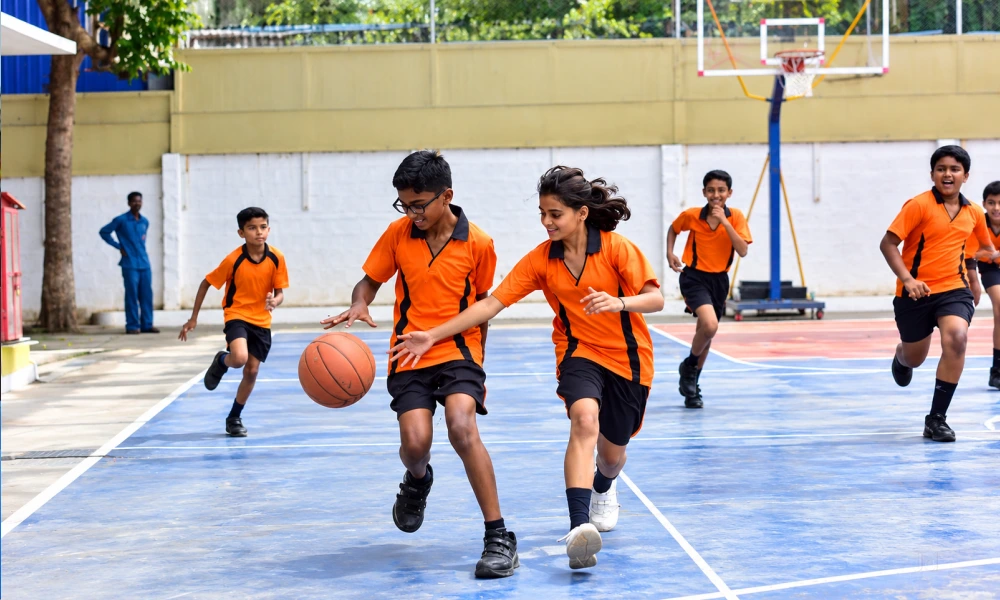
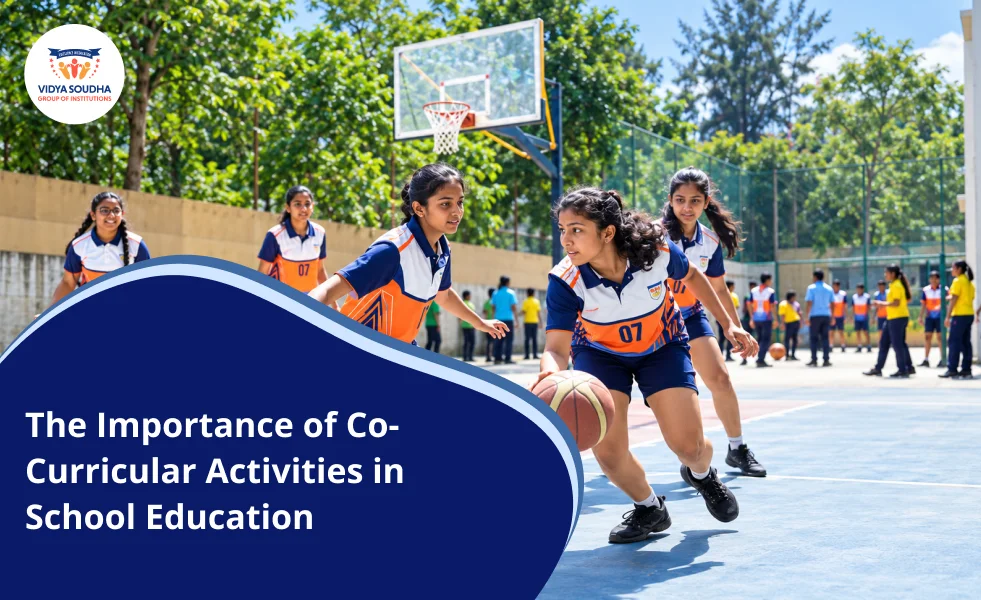
CBSE includes health and physical education as part of student development. At Vidya Soudha Public School in Hassan, listed extracurricular activities include cricket, football, basketball, skating, tennis, swimming, athletics, yoga, and karate.
Sports help your child develop coordination, practise discipline, and learn to handle wins and losses. When choosing a school, check whether it offers regular physical activities that suit your child’s interests and abilities.
6. Encourages Creativity and Self-Expression
CBSE encourages arts-integrated learning, which connects creative activities with academic subjects. Your child might create a poster about water conservation or use role-play to explain a story.
Activities such as drawing, music, dance, and drama help children explore ideas and express themselves. They also give your child opportunities to discover interests and develop skills that written tests may not reveal.
7. Teaches Values, Responsibility, and Life Skills
Everyday school activities can help your child practise honesty, kindness, cooperation, and responsibility. Classroom duties teach accountability, while environmental projects encourage children to care for their surroundings.
Children also need practical skills such as communication, time management, and decision-making. Schools can build these through regular activities, while you can reinforce them at home by encouraging your child to manage small responsibilities independently.
How Can Parents Choose a CBSE School That Supports Overall Development?
A school’s approach to learning shapes the opportunities children receive every day. When choosing a CBSE school, parents should understand how it balances academics, activities, student well-being, and individual learning needs.
Here are a few things worth checking before making a decision:
- Teaching methods: Do students participate in projects, experiments, discussions, and practical activities?
- Sports and creative opportunities: Can children explore different interests through sports, arts, and other activities?
- Teacher support: Do teachers encourage questions, offer constructive feedback, and guide students through difficulties?
- Student well-being: Does the school maintain a respectful environment where children feel comfortable asking for help?
- Assessment methods: Does the school consider classwork, projects, and participation alongside examination results?
- Parent communication: Can parents discuss their child’s progress and understand where additional support may be needed?
During a school visit, ask how these practices fit into the regular timetable. You can also speak with the staff about how they support students with different interests and learning needs. These conversations will give you a clearer idea of what your child can expect.
How Vidya Soudha School Supports Holistic Child Development
At
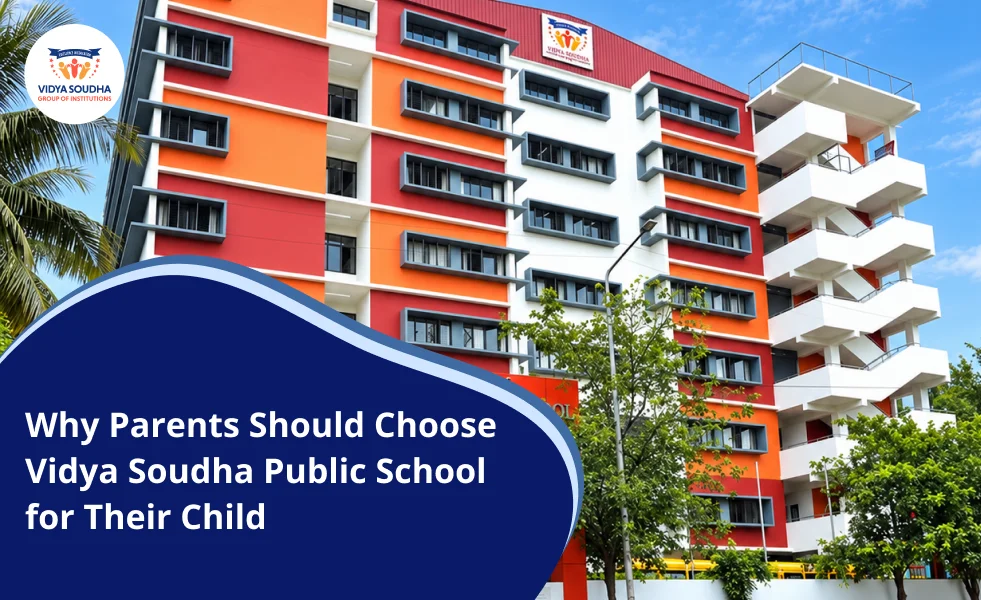
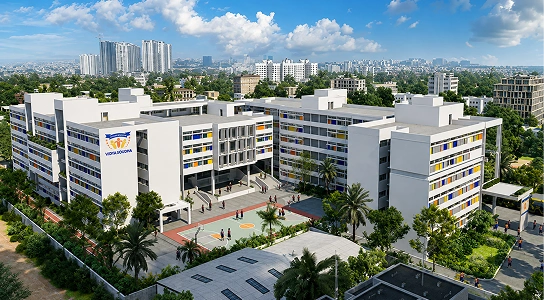
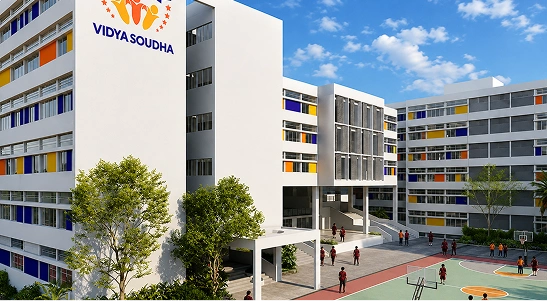
Vidya Soudha Public School, we follow the CBSE curriculum and focus on helping children understand concepts, think critically, and learn through practical experiences. Our smart classrooms, science labs, maths lab, and library give students different ways to explore subjects and learn beyond textbooks.
We also offer sports such as cricket, football, basketball, skating, tennis, swimming, and athletics, along with yoga, karate, and house activities. These give your child opportunities to stay active, work with others, and build new skills. Our activity clubs for primary students also encourage creativity and problem-solving.
If you’re considering Vidya Soudha for your child, explore our curriculum and facilities to learn more about the opportunities we offer.
Conclusion
Holistic child development helps your child build academic knowledge, confidence, creativity, social skills, and healthy habits. With its focus on conceptual learning, practical activities, sports, and life skills, CBSE education can support this growth both inside and outside the classroom.
At Vidya Soudha Public School, we offer learning opportunities that go beyond textbooks. Explore our curriculum and extracurricular activities to see how we can support your child’s growth. Visit our school and speak with us to find out if our learning environment is the right fit for your child.