Choosing a school for your child involves several important decisions. You want a place that offers good teaching, prepares children for future academic goals and gives them the confidence to learn independently. But with different education boards available, deciding which curriculum will meet these expectations can be confusing. The choice also matters because your child’s school years lay the groundwork for future studies and career opportunities.
CBSE is a popular choice among Indian parents because of its organised curriculum, national recognition and focus on relevant academic skills. But what does this mean for your child’s education? Here are 10 benefits of choosing a CBSE school that can help you make an informed decision.
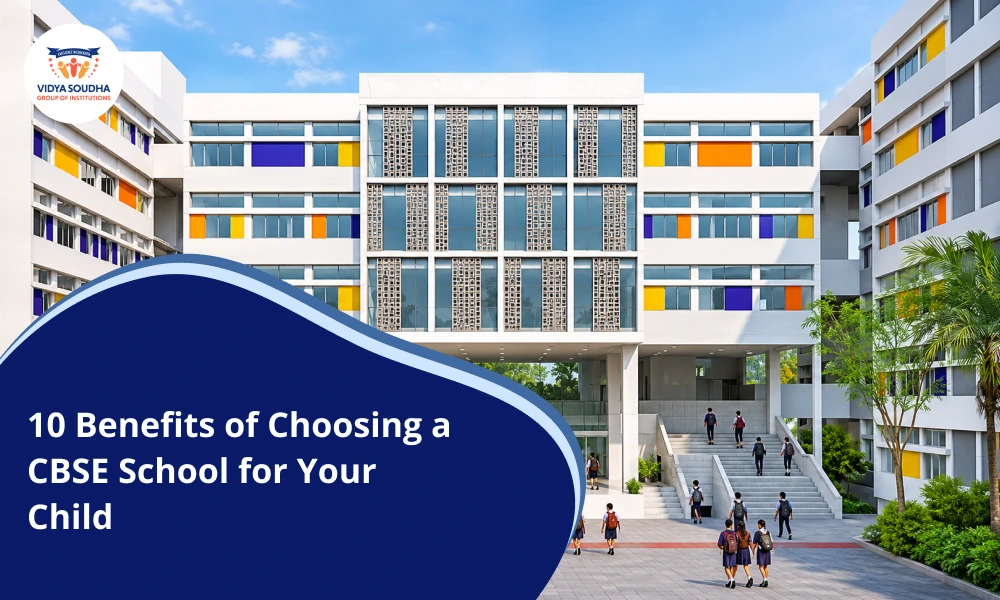
10 Benefits of Choosing a CBSE School for Your Child
1. Structured Curriculum
A child’s learning needs change as they move from primary to secondary education. The CBSE curriculum accounts for these stages by setting academic expectations and learning objectives for different classes.
Students gradually move from basic concepts to advanced topics in subjects such as Mathematics, Science, Social Science and languages. This progression helps them build the subject knowledge needed for higher classes. It also gives you a clearer idea of what your child is expected to learn each year.
2. Conceptual Understanding
Children learn better when they understand a concept instead of simply memorising information for examinations. CBSE encourages competency-based learning, which focuses on applying knowledge and demonstrating subject understanding.
For example, when your child studies percentages in Mathematics, they can use the concept to calculate discounts, price changes and savings. Such questions connect classroom lessons with everyday situations.
This approach helps children understand the purpose behind what they study and apply their knowledge to unfamiliar questions.
3. Competitive Exam Preparation

If your child plans to pursue engineering, medicine or another professional course, their school education can provide an important academic foundation.
CBSE recommends NCERT textbooks for several subjects, particularly in secondary and senior secondary classes. This creates useful academic overlap with national entrance examinations such as JEE and NEET. Students can build familiarity with important concepts through their regular school studies.
4. Transfer Flexibility
Families that relocate for work may find it easier to move their child between CBSE schools. Since CBSE has affiliated schools across India and abroad, students can continue with a familiar curriculum after a move, subject to admission availability.
This can help reduce the academic adjustments children may face when changing schools.
5. Subject Choices
At the senior secondary level, CBSE offers subject options such as Economics, Psychology, Computer Science, Entrepreneurship, Fine Arts and Physical Education. Availability depends on the school and permitted subject combinations.
This flexibility allows students to choose subjects that match their interests and support their plans for higher education.
6. Critical Thinking
CBSE’s competency-based approach encourages students to analyse information, make connections and explain their answers. For example, they may interpret a chart, identify a pattern and explain what the data reveals.
Activities like these teach children to look beyond memorised answers, consider different points of view and use their judgement when solving problems. Over time, this can help them approach unfamiliar questions with greater confidence.
7. Co-Curricular Activities
Schools should give children opportunities to explore activities beyond academics. CBSE includes art education, physical education, sports and work experience in its curriculum framework.
Depending on the school, students may also take part in theatre, music, craft and athletics. These activities help them explore their interests while developing discipline and commitment.
8. Practical Learning
Some subjects are easier to understand when students connect classroom concepts with real-life examples. CBSE encourages activity-based and experiential learning through practical tasks and assignments.
For example, a geography assignment may ask students to study how landforms influence human settlements using maps and photographs. Activities like these help children understand topics better and see how classroom learning applies to everyday life.
9. Regular Assessments
CBSE uses different assessment methods to track students’ academic progress and check how well they understand and apply what they learn.
These may include written tests, practical exams, assignments, projects and periodic assessments, depending on the class and subject. The feedback helps teachers identify learning gaps and guide students, while keeping parents informed about areas where their child may need support.
10. Life Skills
School should prepare children for everyday situations, not just academic exams. CBSE’s skill education programme offers subjects such as Information Technology, Artificial Intelligence and Financial Markets, depending on the class and school.
Students may also learn about financial literacy, digital awareness, health and wellness through relevant initiatives. This exposure helps them build practical knowledge and explore subjects beyond their regular academic curriculum.
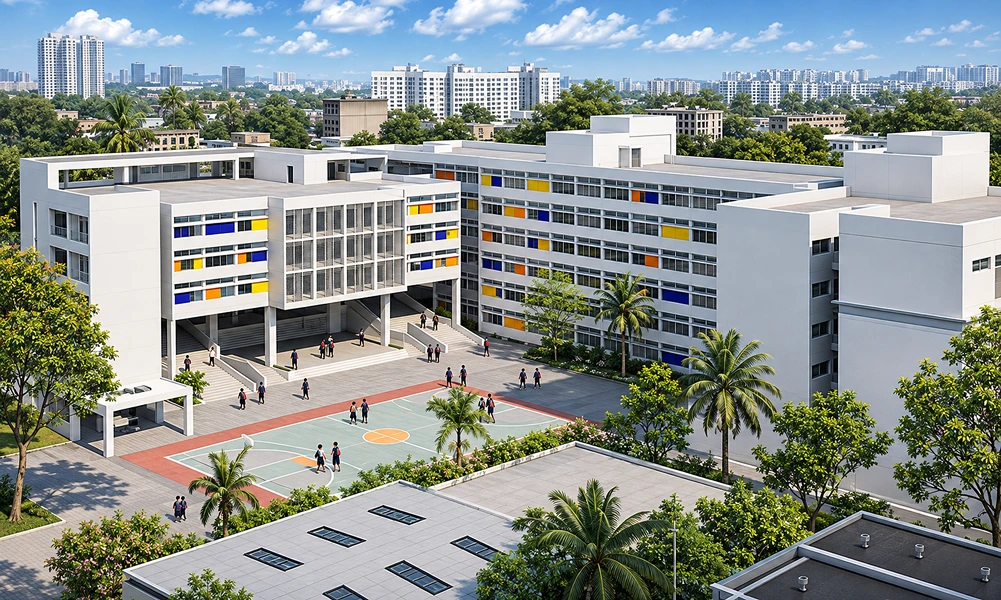
What Should Parents Look for When Choosing a CBSE School?
The CBSE board sets the academic framework, but the school’s teaching approach and facilities shape your child’s everyday learning experience. So, take some time to evaluate the school before making a decision.
Here are a few things worth checking during your school search:
- Teacher qualifications: Find out about the teachers’ subject knowledge, experience and approach to classroom instruction.
- Classroom environment: Look for classrooms where children can participate, ask questions and receive guidance when needed.
- Academic resources: Check the availability of libraries, laboratories, learning materials and other resources that support different subjects.
- School activities: Ask about the programmes and activities available to students throughout the academic year.
- Student well-being: Understand the school’s approach to safety, student support, discipline and communication with parents.
You can also visit the campus, interact with the school representatives and ask about the admission process. These conversations will help you decide whether the school meets your expectations.
Conclusion
Choosing a CBSE school can give your child a strong academic foundation, nationally recognised learning pathways and opportunities to develop practical skills. However, the quality of teaching and the school’s approach to student development also play an important role in shaping their school experience.
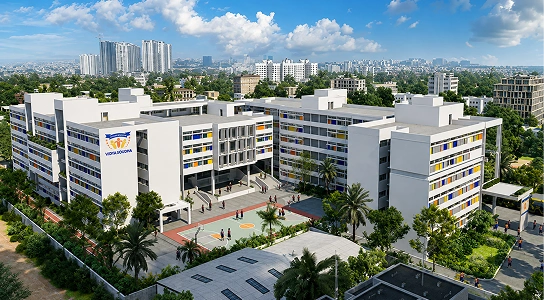
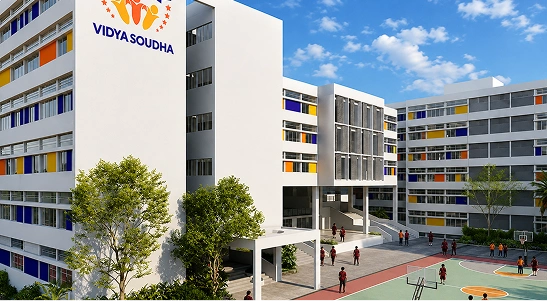
At Vidya Soudha Public School, we aim to make learning meaningful through academic guidance and opportunities for growth. With CBSE campuses in North West Bengaluru and Growth Centre, we invite you to explore our approach to education. Contact us to know more about our programmes and admissions.