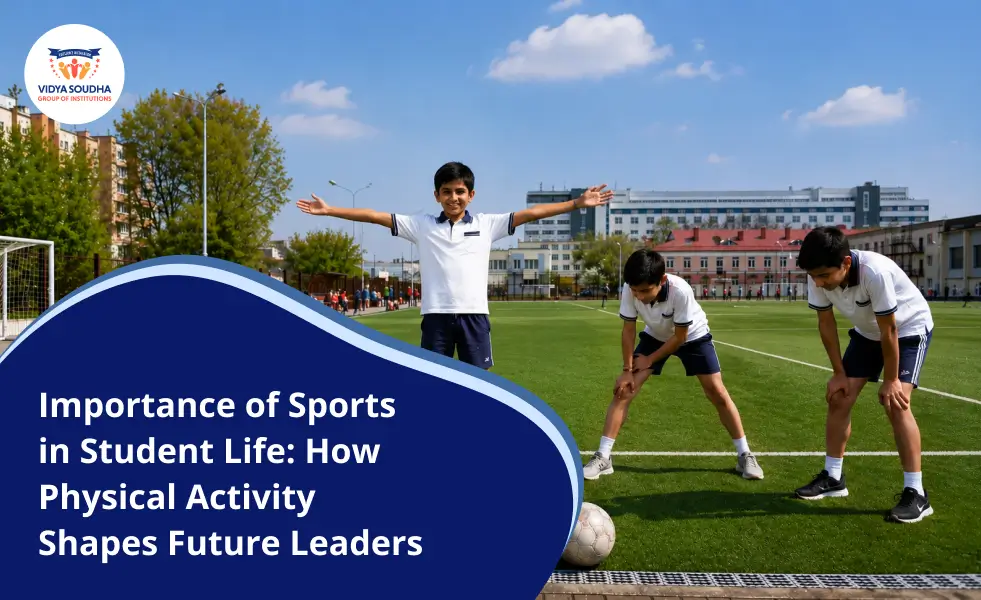
Walk past any school playground during recess, and you’ll see kids sprinting, laughing, falling, and getting right back up. What looks like mere fun is one of the most powerful, underrated forms of education a student can receive. The importance of sports in student life goes far beyond fitness — it builds the character, discipline, and resilience that define successful leaders in every field.
The role of extracurricular activities, particularly sports, is undeniably crucial for the benefits they offer. While classrooms teach students what to think, sports fields teach them how to act — how to handle pressure, work with others, and bounce back from failure. In a world that increasingly values emotional intelligence and adaptability alongside academic knowledge, understanding the importance of sports in student life has never been more relevant.
Building Character on the Field
Every sports activity presents a student with a small, real-world leadership test. How students react in a sports field is a true testament to their sportsmanship. Do they encourage a struggling teammate or criticise them? Do they accept a referee’s tough call gracefully or argue?
These decision-making abilities, repeated over years of practice and competitions, quietly yet dramatically shape a young person’s character. Students learn:
- Discipline- Being on time for a match.
- Perseverance- Pushing through a tough training session or a losing streak
- Humility- Winning without gloating and losing without excuses
- Fair play- Respecting rules and opponents, even when no one is watching
More than textbooks, such lessons come from lived experience, and that’s precisely why the importance of sports in student life is often compared to a second classroom — one where the curriculum is character itself.
Teamwork: The Foundation of Leadership
Almost every major leadership role, whether in business, government, or community organisations, requires the ability to work with others toward a shared goal. Team sports are perhaps the purest training ground for this skill.
On a basketball court or soccer field, a student quickly learns that individual talent alone doesn’t win games. Communication, trust, and coordinated effort are the keys to winning a sport. A star player who refuses to pass the ball rarely leads a team to victory. This is where the importance of sports and games in student life becomes especially clear — even individual sports like tennis or swimming teach students to work with coaches, accept feedback, and contribute to a larger team score at meets and tournaments.
These lessons translate directly into future workplaces. Employers consistently rank teamwork and collaboration among the top skills they look for, and former student-athletes often adapt faster to group projects, cross-departmental collaboration, and collective problem-solving.
Handling Pressure and Failure
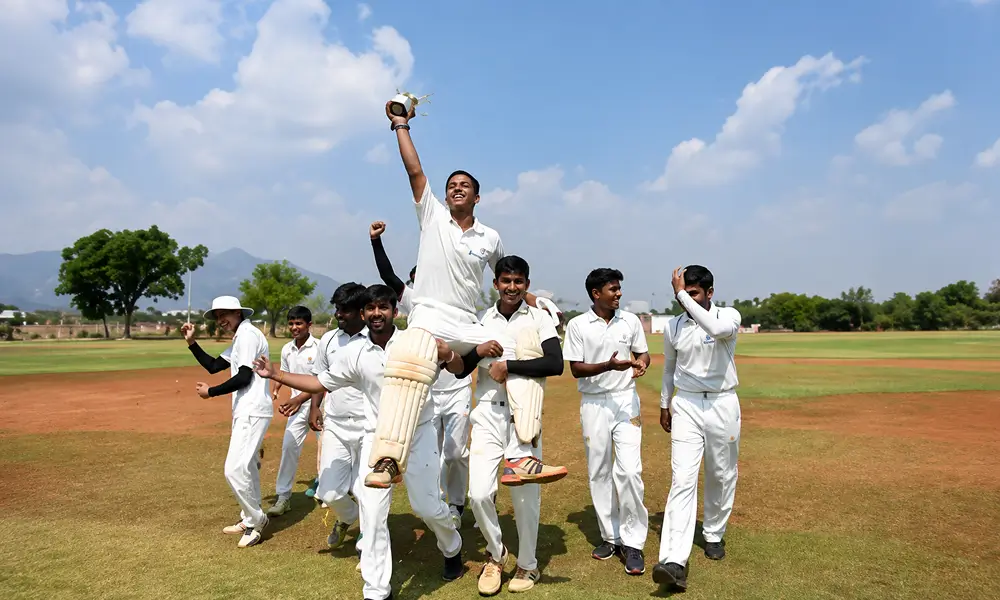
Leadership isn’t tested during easy times — it’s tested during crises. Sports give students a low-stakes environment to practice handling high-stakes pressure.
Think about a penalty shootout, a final lap, or a match point. In these moments, students learn to:
- Manage anxiety
- Stay focused
- Perform under scrutiny
They also learn something equally valuable: how to lose. Not every game ends in victory, and not every season ends with a trophy. Learning to process disappointment, analyse what went wrong, and try again is a skill that serves people well beyond the field — in job interviews, business setbacks, and personal challenges.
This is another dimension of the importance of sports in student life: it normalises failure as part of growth rather than something to fear.
Physical and Mental Health Benefits
Of course, the physical benefits of sports remain foundational. Regular physical activity improves:
- Cardiovascular health
- Builds strong bones and muscles
- Helps students maintain a healthy weight during crucial developmental years
While the physical health benefits of sports are often discussed, their mental health benefits are equally significant. Exercise releases endorphins that reduce stress and anxiety, and the structure of regular practice helps students manage the pressures of academic life.
Students who stay physically active often report better sleep, improved concentration, and higher energy levels — all of which support better academic performance. This connection between the importance of sports and games in student life and academic success is increasingly backed by research showing that physically active students often perform as well as, or better than, their sedentary peers in the classroom.
Sports as a Training Ground for Leadership Roles
Many students naturally step into leadership positions through sports — team captain, house sports leader, or club organiser. These roles demand real responsibility: motivating teammates, resolving conflicts, planning strategy, and representing the group’s interests to coaches or officials.
A team captain who fails to unite their squad sees the consequences immediately on the scoreboard. This constant feedback loop accelerates leadership development in ways few other school activities can match, reinforcing why the importance of sports in student life extends well into a student’s professional future.
Time Management and Balance

Conclusion
The importance of sports and games in student life cannot be reduced to trophies, medals, or fitness statistics. Sports quietly cultivate the traits that define effective leaders: resilience, teamwork, humility, and grace under pressure. When schools and parents recognise the importance of sports activities in student life and give them the same weight as academics, they aren’t just raising healthier kids — they’re raising the confident, capable leaders of tomorrow. That’s why, at Vidya Soudha Group of Institutions, we value sports and games and provide a premier sports facility dedicated to nurturing young sporting talent.
Encouraging a child to join a team, try a new sport, or simply stay active isn’t a distraction from their academics. It’s an essential part of education.