Parents today want their children to learn in a way that feels simple, clear, and relevant to the world they are growing up in. Many classrooms still depend on traditional teaching, which sometimes makes lessons harder to follow. This can cause children to lose interest even when they want to understand. It is natural for parents to wonder if their child is receiving the right support.
Modern schools now use smart classroom technology to make learning more interactive and meaningful. With visual tools, simple explanations, and real examples, children understand better and stay engaged.
In this blog, we explain why smart classroom technology has become an important part of good schooling and how it helps children learn with confidence.
What Is Smart Classroom Technology
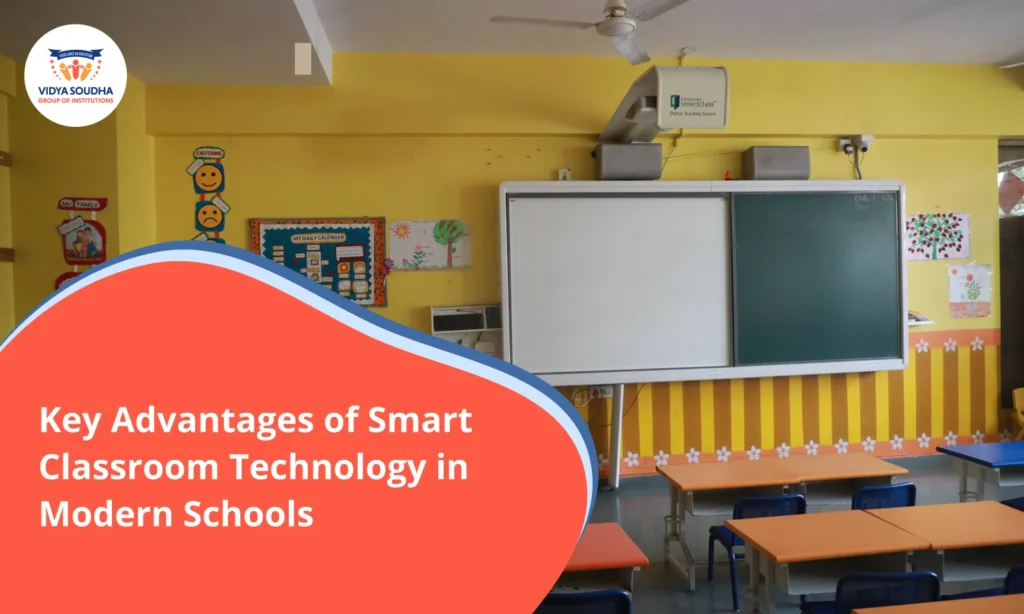
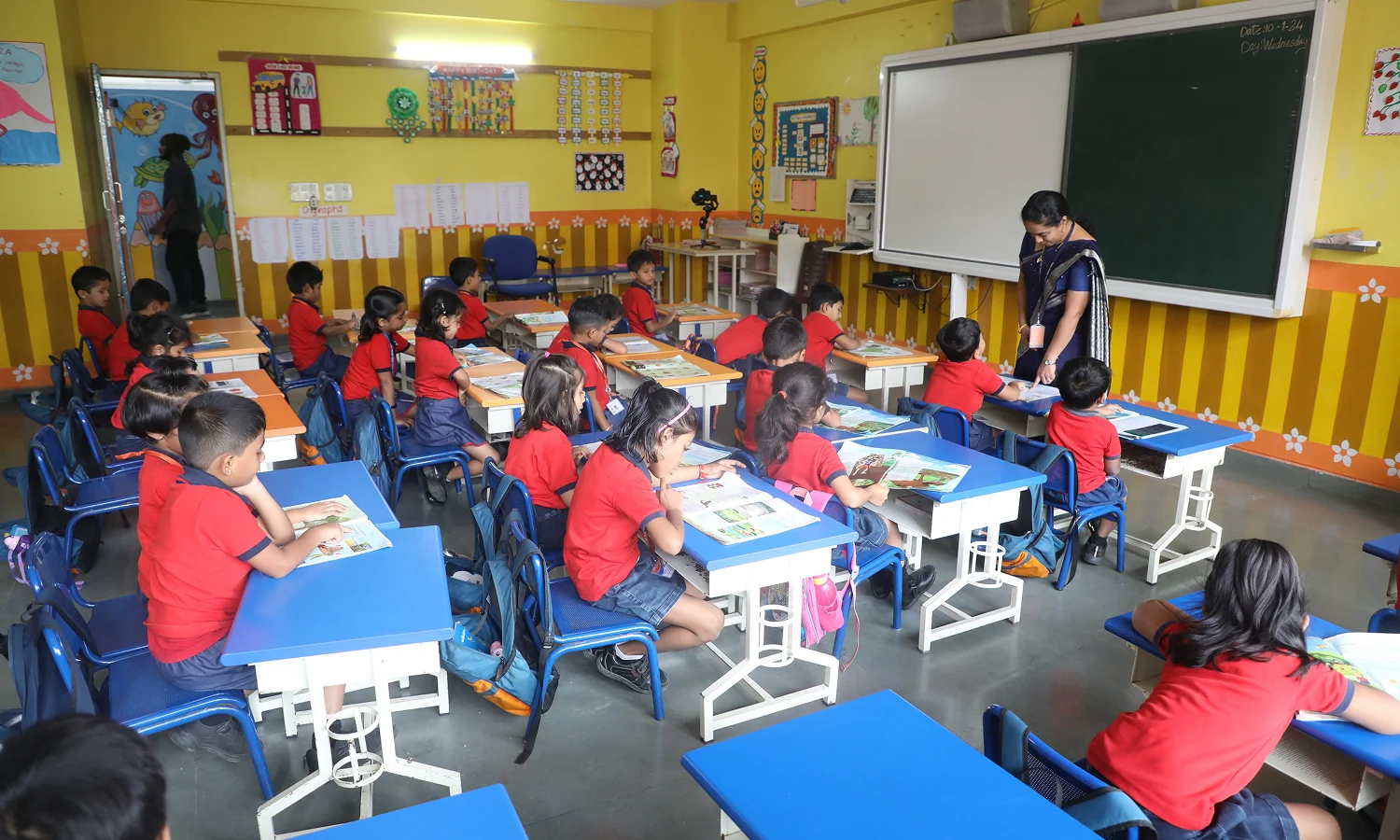
Smart classroom technology uses digital tools that help teachers explain lessons in a clearer and more engaging way. Instead of relying only on chalk and notebooks, classrooms use a mix of visuals, videos, and interactive boards. This makes learning more active and easier to follow for the students.
Here are the most common tools used in a smart classroom:
- Interactive whiteboards that show videos, diagrams, and live examples
- Projectors and screens for visual lessons
- Learning apps and platforms to share notes, quizzes, and homework
- Digital textbooks with pictures, animations, and simple explanations
These tools help children see what they are learning, understand ideas step by step, and stay interested throughout the lesson. Now that you know what smart classrooms include, let us look at the advantages they bring to your child’s day.
Advantages of Smart Classroom Technology
Before we look at each benefit, it helps to know why these advantages matter. Smart classrooms are not only about screens or devices. They make learning smoother, clearer, and more comfortable for children. Each point below explains how smart classroom technology supports students in a practical and meaningful way.
1. Better Concept Understanding
Children learn faster when they can see real examples instead of only hearing explanations. Smart classroom technology helps teachers break down tough topics using diagrams, animations, and simple videos. When children watch something happening, they remember it better. This helps reduce confusion and builds stronger understanding over time.
2. Improved Attention and Interest
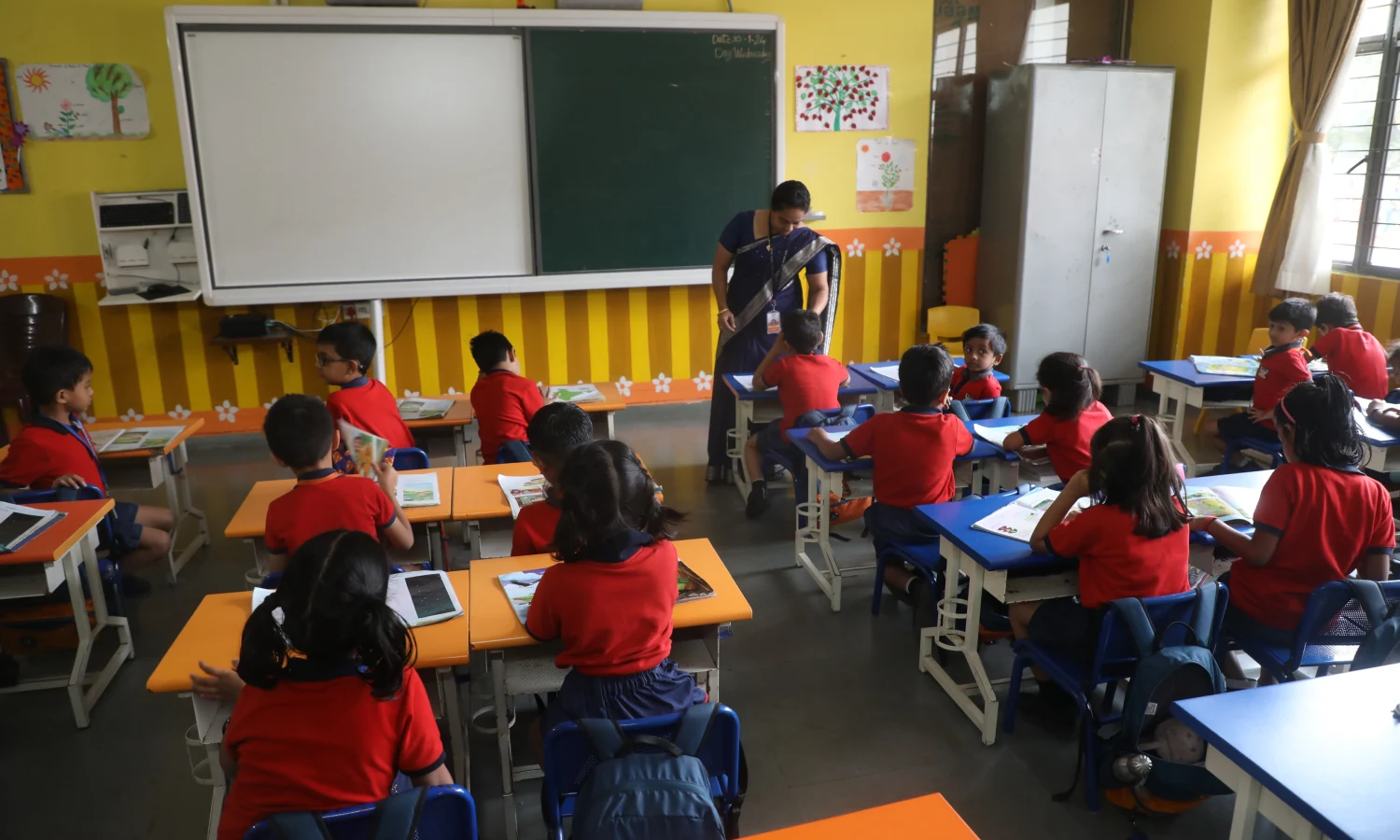
Children respond quickly to visuals and movement. Smart classrooms use colourful slides, short clips, and interactive activities that keep students focused. When lessons are engaging, children naturally stay alert and show more interest. It also helps reduce boredom and makes learning feel more enjoyable.
3. Stronger Teacher Student Interaction
Smart tools help teachers understand where students need more support. Quick quizzes, digital polls, or small activities show how much the class has understood. If a child looks confused, the teacher can show another example right away. This creates a classroom where children feel comfortable asking questions and teachers can guide them better.
4. Encourages Creativity and Thinking Skills
Smart classrooms give children chances to draw, design, build stories, and try new ideas. When they use digital tools to express their thoughts, they become more creative. It helps them think in new directions and solve problems using their own methods. This builds confidence and supports their overall development.
5. Supports Different Learning Speeds
Every child learns differently. Some need more time while others finish quickly. Smart classroom technology allows teachers to adjust the pace for everyone. Children can replay lessons, revisit notes, or learn through videos if they need extra help. This reduces pressure and makes learning more comfortable for all students.
6. Builds Real Life Digital Skills
Children today will use technology in almost every part of life. Smart classrooms help them get familiar with digital tools early. They learn to search for information, use educational software, and understand how to work with technology confidently. These skills prepare them for higher studies and future careers.
Conclusion
At Vidya Soudha Public School, we try to make learning simple, meaningful, and enjoyable for every child. Smart classroom technology helps us bring lessons to life in a way children can understand. It supports different learning needs and encourages them to think, explore, and grow with confidence. Every day in our classrooms is designed to help children learn with clarity and curiosity.
If you want your child to study in a school that offers modern learning with strong values, Vidya Soudha Public School welcomes you. We create a safe, caring, and future ready environment where children feel supported at every step. Enroll your child in the best school and let them learn in a place that truly understands their needs.
Frequently Asked Questions
1. How do smart classrooms help children who are shy or hesitate to ask doubts?
Smart classrooms create a safe learning space where children can answer through digital polls, quick quizzes, or simple interactive tools. This helps shy students participate without fear. Teachers also get instant feedback, making it easier to support children who need quiet, personalised attention.
2. Are smart classrooms helpful for children who struggle with traditional textbook learning?
Yes, they are especially helpful. Visuals, animations, and step-by-step videos make lessons easier to understand. When children can see concepts instead of memorising them, learning feels lighter and less stressful. It gives them another way to absorb information at their own pace.
3. Does using smart classroom technology mean children spend too much time on screens?
No, screen time is balanced. Smart classroom tools are used only to support lessons, not replace teaching. Children engage in discussions, written work, group activities, and hands-on tasks. Technology simply adds clarity to lessons without increasing unnecessary screen exposure.