Most parents reach a quiet point of confusion when their toddler starts growing faster than expected and suddenly conversations around school begin at home. One casual question from a relative can sit in your mind for days and before you realize it, you are wondering about the right age for preschool.
What Is Preschool and Why Does It Matter
Before we talk about age, it helps to understand what preschool truly is.
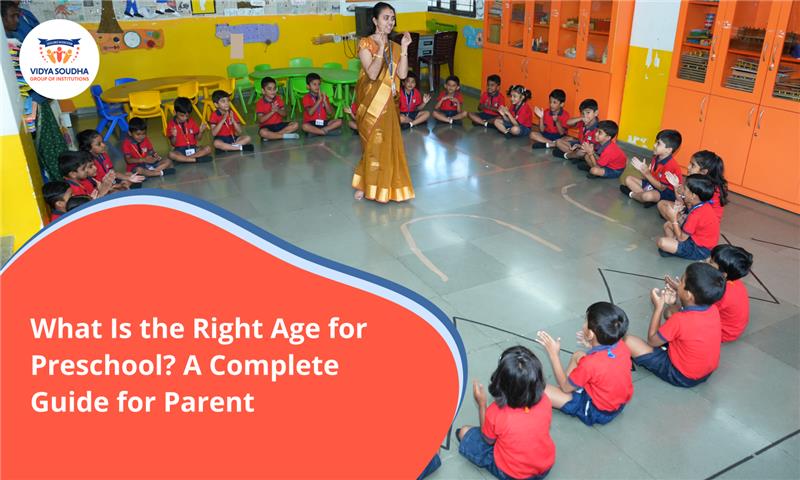
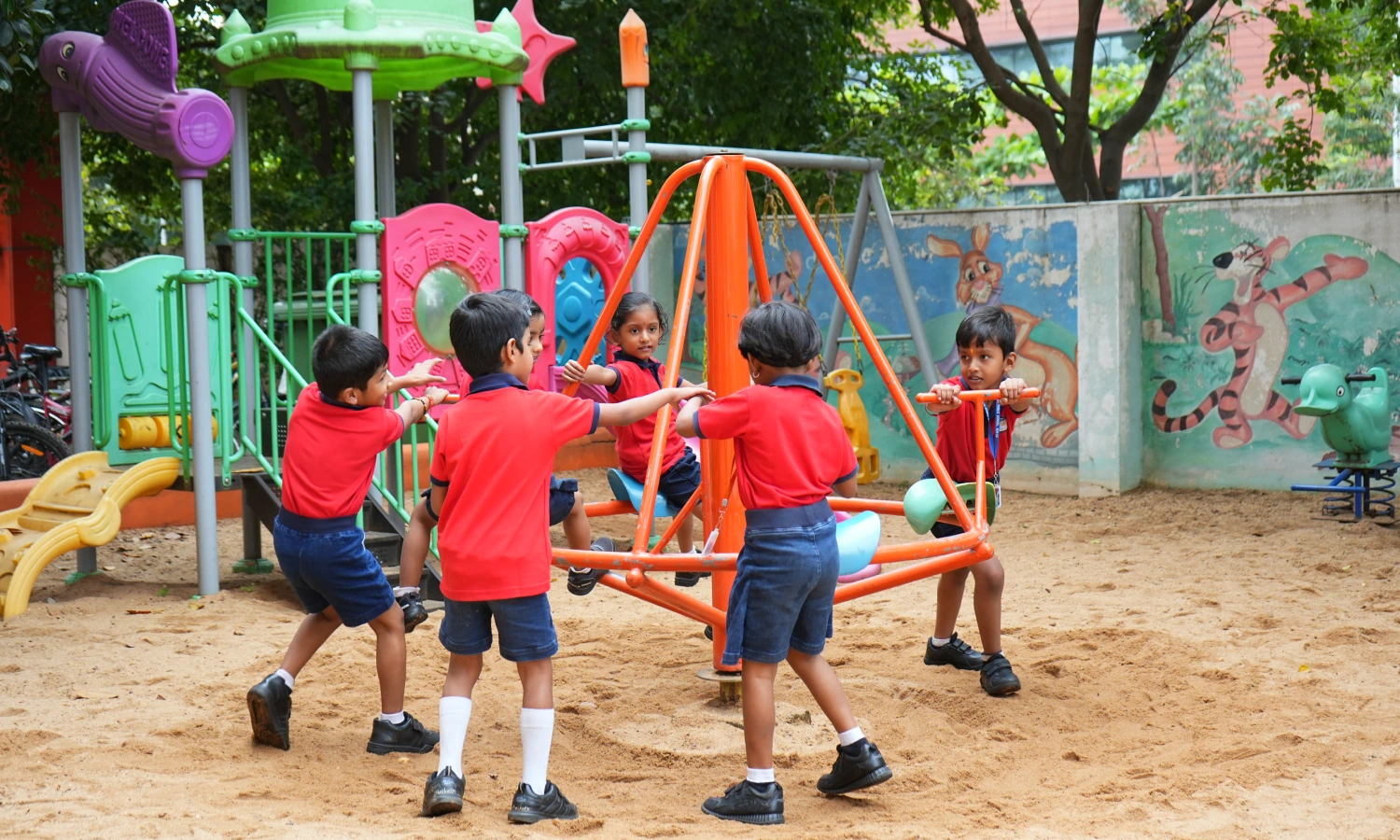
Preschool is not about making children sit with books for hours. It is a space where learning happens through play, stories, art, music, and simple routines. Children slowly learn to sit in a group, listen to adults, and interact with other kids in a safe setting.
What Is the Right Age for Preschool
IT jobs provide a strong starting point, but BCA graduates can also explore data-centric roles. Let’s see what careers in data science and analytics look like.
Preschool Age Criteria in India
- Playgroup: Around 1.8 to 2.2 years
- Nursery: Around 3 years
- Lower KG: Around 4 years
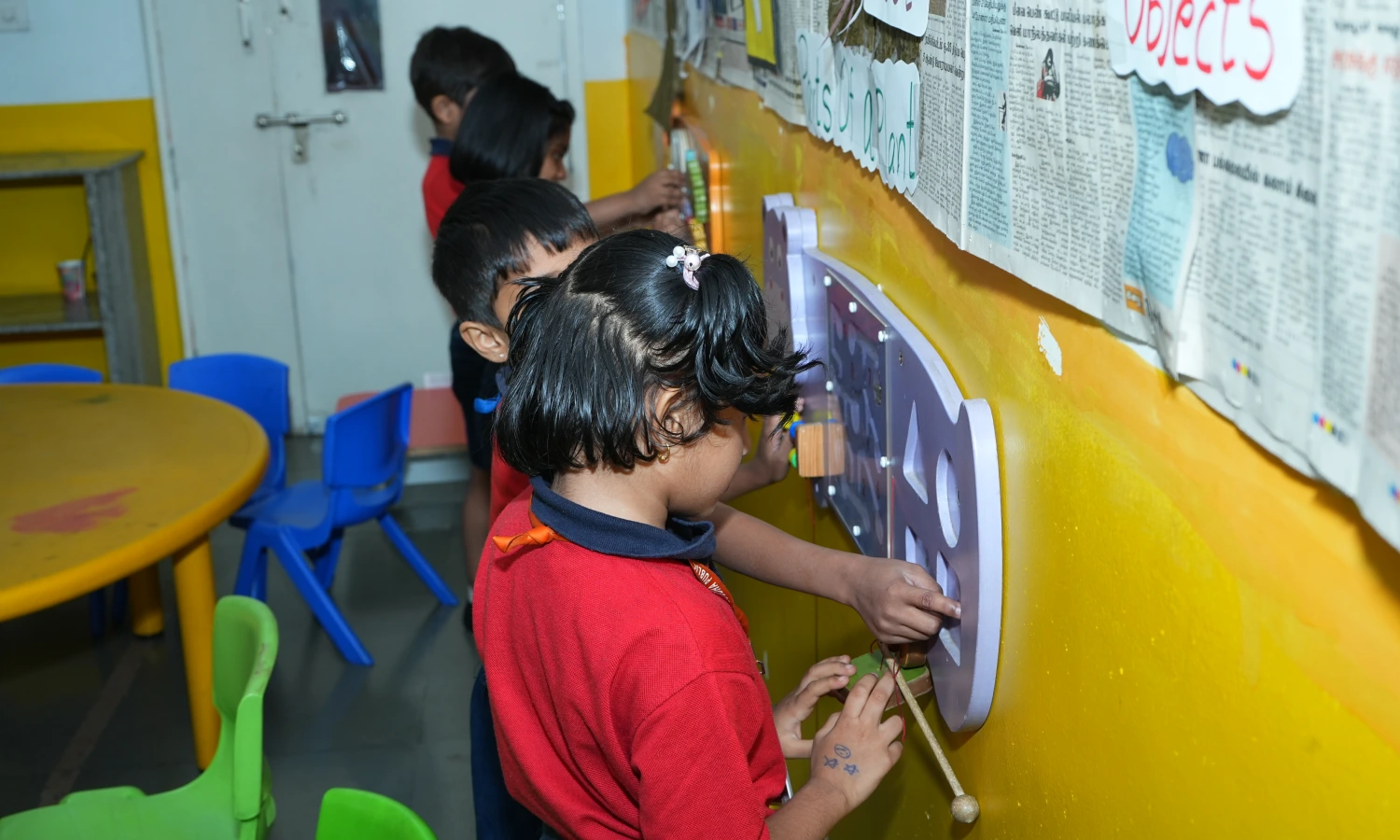
How Do We Know If Our Child Is Ready For Preschool?
Emotional readiness
Your child may handle short separations better than before. They might cry initially but are able to calm down with a familiar adult after some time.
Social readiness
Your child may start noticing other children, watching them play, or trying to sit near them. Sharing may not come naturally yet and that is completely normal.
Communication readiness
Your child may be able to express simple needs like hunger, sleep, or discomfort using basic words, sounds, or gestures.
Physical and routine readiness
Your child may have enough energy to sit for activities, play for some time, eat with little help, and follow a small daily routine.
When several of these signs appear together, the right age for preschool may already be approaching for your child.
Now let us look at what children gain when the timing feels right.
Benefits of Starting Preschool at the Right Time
Better confidence in new spaces
Children slowly become comfortable in a classroom setting and feel less anxious around new people and routines.
Stronger language development
Listening to teachers, talking to friends, and hearing stories and songs helps improve speaking and understanding naturally.
Growing independence in daily habits
Small actions like eating without help, cleaning up toys, and sitting for activities quietly build self trust.
Healthy social skill development
Children learn to wait for turns, express emotions in simple ways, and begin forming early friendships.
What If a Child Starts Too Early or Too Late
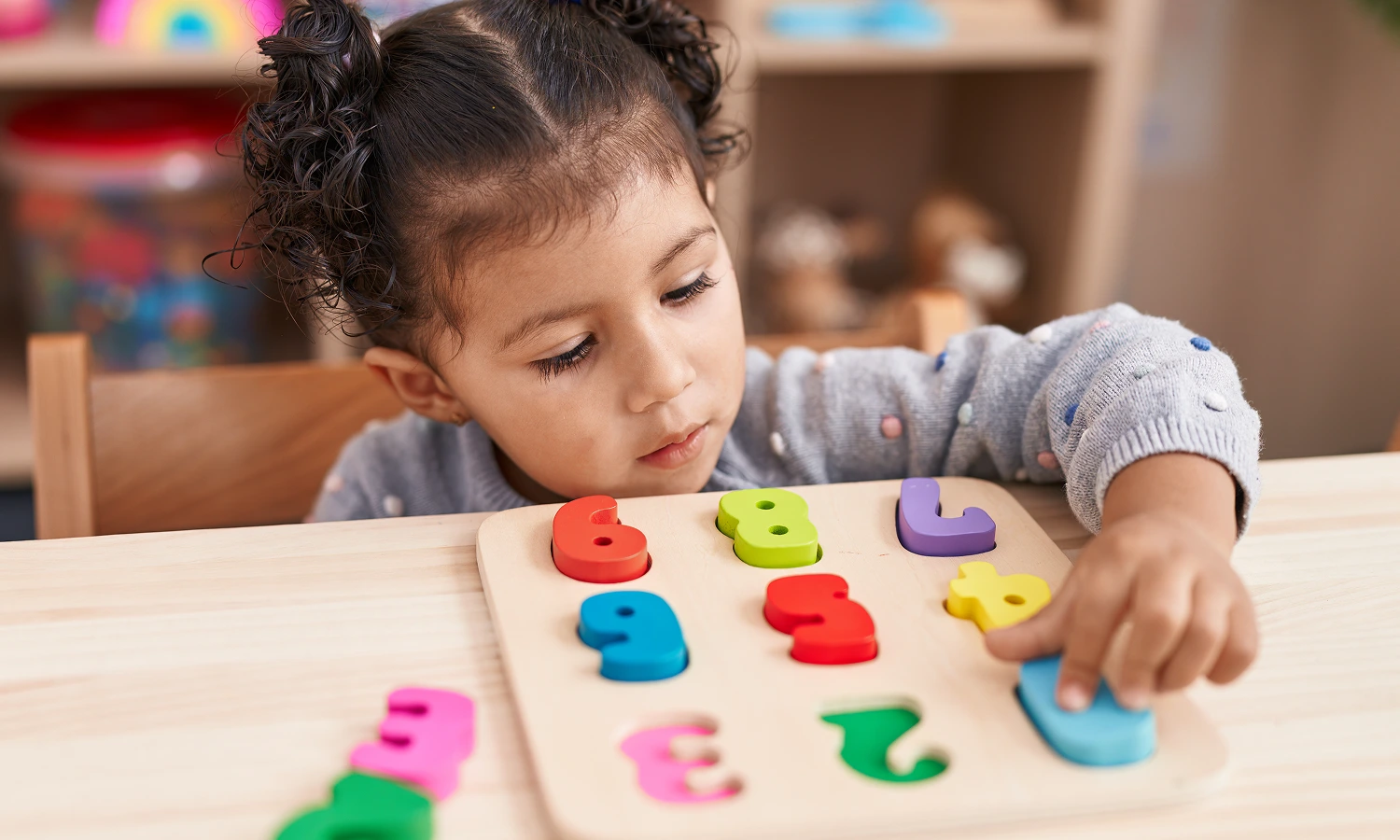
- If a child starts too early
They may struggle with separation anxiety, frequent crying, or constant tiredness in the beginning. Some children settle with time, while others may show stress in quiet ways. - If a child starts too late
They may find routines harder to follow at first or feel shy in group settings. Mixing with other children can take a little longer in the beginning.
In both situations, most children do adapt with time. Still, choosing the right age for preschool helps reduce emotional strain and makes the transition smoother for both the child and the parent.
Now let us see what parents can do before the first school day arrives.
How We Can Prepare Our Child for Preschool
Build a gentle daily routine
Waking up at a regular time, having meals together, and setting aside play time helps children slowly get used to structure.
Encourage small independence
Let your child eat with their own hands, choose between two outfits, or help pack a small bag. These little actions quietly build confidence.
Talk about school in a positive way
Tell your child about stories, friends, and playtime at school. Avoid fear based talk or pressure.
Visit the school before joining
If possible, let your child see the classroom and meet the teacher briefly. Familiar spaces always feel safer.