Students today are expected to perform well in exams, complete assignments, and stay ahead in an increasingly competitive academic environment. In the middle of all this, sports often take a back seat.
While this may seem harmless, missing out on regular physical activity & sports can affect much more than a student’s fitness. It can limit opportunities to develop confidence, discipline, teamwork, and leadership skills that are just as important for long-term success.
The importance of sports in student life goes beyond keeping students active. It helps shape responsible, resilient individuals who can communicate well, make better decisions, and grow into capable leaders both inside and outside the classroom.
What Role Do Sports Play in Student Life?
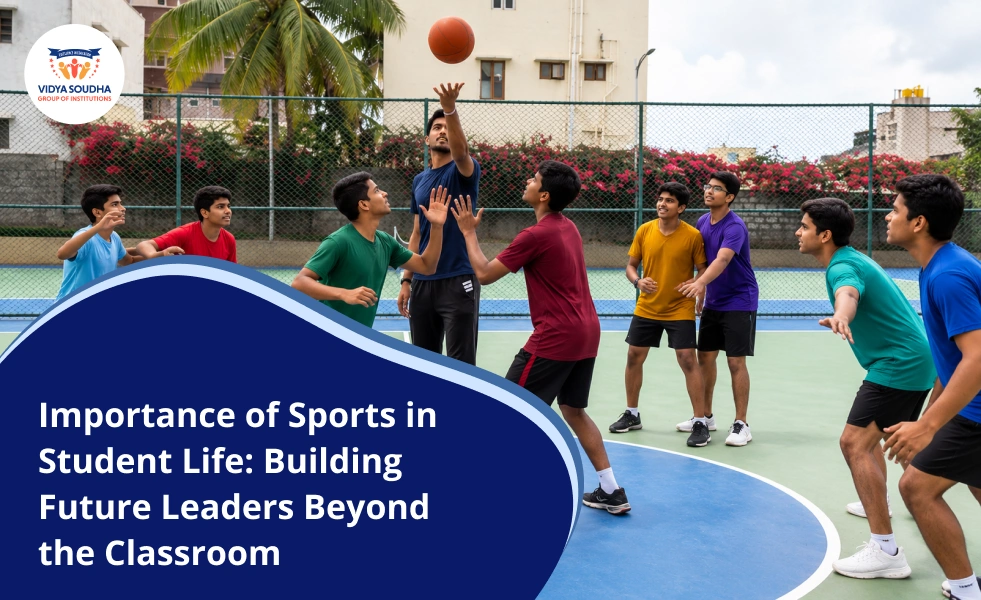
Sports in student life include organised and recreational physical activities that support physical health, mental well-being, and overall development alongside academics. Through physical education classes and extracurricular sports like football, cricket, basketball, athletics, badminton, and swimming, students stay active while building valuable life skills.
Research shows that students who play sports regularly often have better concentration, stronger memory, and improved academic performance. They also develop discipline, teamwork, confidence, communication, and resilience through practical experience. These skills help students make sound decisions, take responsibility, and prepare for leadership roles in school, college, and beyond.
7 Key Life Skills Sports Teach Students
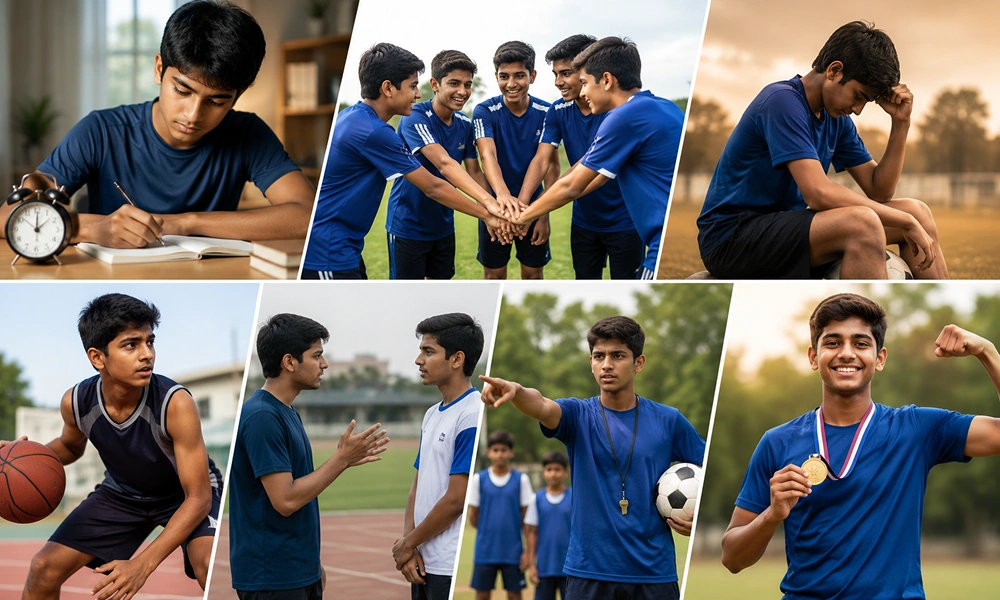
Sports help students grow in ways that go beyond physical fitness. Every practice session, match, and team experience teaches lessons they can apply in school, college, and later in life. Here are seven important life skills students develop through sports.
- Discipline and Time Management
Sports teach students the value of consistency and commitment. Balancing practice, competitions, and schoolwork helps them manage their time, stay organised, and build routines that support both academic and personal success.
- Teamwork and Collaboration
Team sports show students how to work towards a shared goal. They learn to trust teammates, understand their responsibilities, support others, and recognise that every contribution matters.
- Resilience and Handling Failure
Not every game ends in a win, and that’s part of the learning process. Sports help students accept setbacks, learn from mistakes, and return with greater confidence and determination.
- Decision-Making Under Pressure
Many sports require students to think and act quickly. Making decisions during a game improves critical thinking, builds confidence, and prepares them to stay calm under pressure.
- Communication and Conflict Resolution
Students learn to communicate clearly with teammates and coaches during practice and competitions. They also develop the ability to listen, accept feedback, and resolve disagreements respectfully.
- Leadership and Accountability
Sports encourage students to take responsibility for their actions and support those around them. Whether leading a team or setting an example through their behaviour, they develop qualities that inspire trust and confidence.
- Confidence and Self-Belief
Learning new skills, overcoming challenges, and achieving personal goals helps students believe in their abilities. This confidence encourages them to take initiative, face new opportunities, and perform better in different areas of life.
Together, these seven life skills prepare students for much more than success in sports. They help them become responsible individuals who are ready to lead, collaborate, and adapt throughout their education and future careers.
The Direct Link Between Sports and Leadership Development
Leadership is built through experience, and sports provide those lessons every day. Students learn to take responsibility, make decisions under pressure, support teammates, and lead by example. These experiences build accountability, confidence, and the ability to earn others’ trust.
Team captains demonstrate these qualities by guiding teammates, communicating clearly, and making important decisions during matches. Many successful leaders have credited sports for shaping their discipline and teamwork. The lessons learned on the field help students become confident, responsible leaders in school, their careers, and life.
Physical and Mental Health Benefits That Support Leadership
Leadership starts with a healthy body and a clear mind. Regular sports participation improves physical fitness while helping students stay focused, energetic, and ready to handle academic and personal responsibilities.
Physical activity builds stamina, improves concentration, and supports better sleep, leading to stronger academic performance. It also reduces stress, improves emotional well-being, and helps students stay calm under pressure. These benefits strengthen decision-making, build confidence, and prepare students to lead with clarity and resilience.
How Schools and Parents Can Encourage Sports Participation
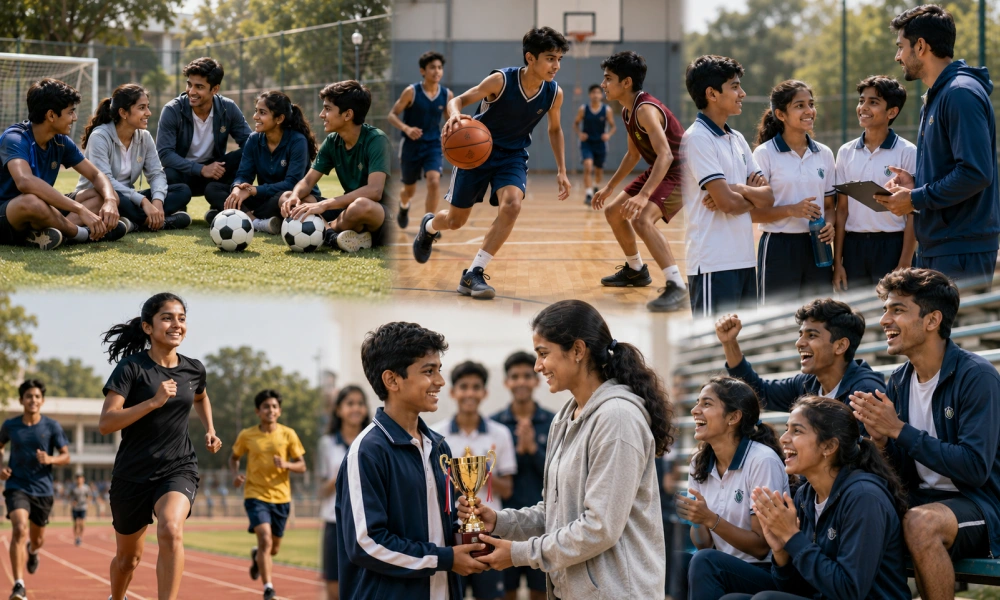
Students are more likely to enjoy sports when both schools and families encourage them consistently. A supportive environment makes participation feel enjoyable instead of stressful.
Simple changes can make a lasting difference:
Include sports as a regular part of the school timetable instead of treating them as optional activities.
Encourage every student to participate, regardless of skill level or previous experience.
Offer different sports so students can discover activities they genuinely enjoy.
Appreciate dedication, teamwork, and improvement instead of focusing only on winning trophies.
Invite former students, athletes, or sports professionals to interact with students and share their experiences.
Allow students enough time to balance academics with physical activity without unnecessary pressure.
When encouragement comes from both teachers and parents, students develop confidence to participate, improve, and stay active throughout their school years.
Finding the Right School Environment for Holistic Growth
A child’s development goes beyond academics. The right school helps students stay active, build confidence, discover their strengths, and develop skills that prepare them for life.
At Vidya Soudha Group of Institutions, sports are an integral part of learning. Alongside academics, students participate in structured sports programmes and extracurricular activities that build discipline, teamwork, leadership, and resilience. With experienced coaches, quality sports facilities, and a strong focus on holistic development, Vidya Soudha helps students grow into confident, capable, and well-rounded individuals.
Conclusion
The importance of sports in student life lies in the values and skills students develop through regular participation. Along with improving physical and mental well-being, sports build discipline, teamwork, resilience, confidence, and leadership. These qualities help students succeed in school today and prepare them for future responsibilities.
At Vidya Soudha Group of Institutions, students are encouraged to excel in academics while developing through sports and extracurricular activities. With a strong focus on holistic education, the institution helps every student grow into a confident, responsible, and future-ready individual.
Frequently Asked Questions
How do sports help in leadership development?
What skills do students learn from playing sports?
Can academic performance improve through sports participation?
How many hours of sports activity should students have weekly?
Health experts generally recommend that school-age children and teenagers engage in around 60 minutes of moderate to vigorous physical activity each day. This can include sports, outdoor games, fitness activities, or structured physical education sessions.